
Week 43, 202626 Oct 2026New every Monday
AI news, minus the hype.
The 5 AI and tech stories worth knowing this week, in plain English.
Every issue is checked by a human editor
The 60-second briefing
- 2OpenAIModelsOpenAI's models are coming to Google Cloud customersTwo of the biggest rivals in AI are now selling through the same shop, making it easier for businesses to mix models rather than pick one side.
- 3GooglePolicyGoogle updates privacy policy so Gmail and Photos data can feed personalised adsA privacy promise many people relied on now has an opt-in exception, so it is worth checking your Search personalisation settings.
- 4DeepSeekToolsDeepSeek open-sources DeepInfer, the software that runs its models in productionServing software, not just model weights, is now being given away, lowering the cost of running large AI models outside the big clouds.
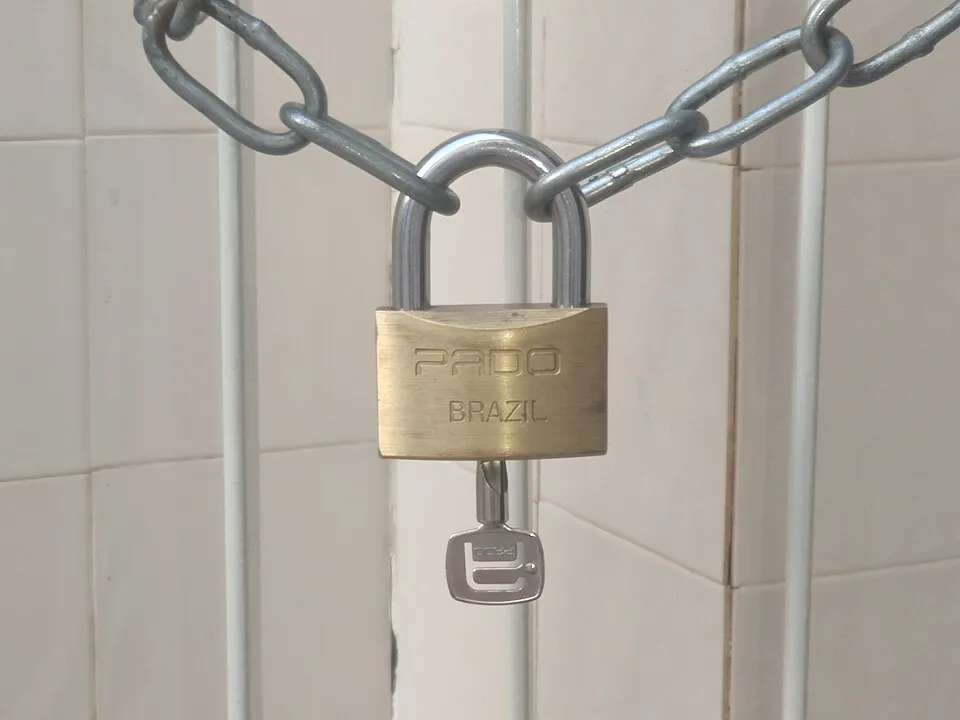
- 5eMudhraOthereMudhra quits the global website-certificate business after security incidentCertificate authorities underpin the padlock in your browser, and losing trust in one is usually fatal to that part of the business.
Try this week
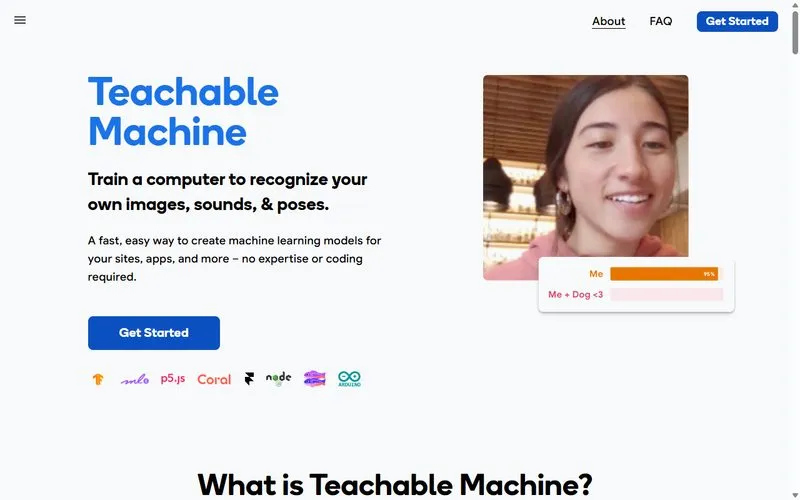
Teachable Machine
Train your own AI to recognise images, sounds or poses using your webcam or microphone, with no coding.
You'll learn: How AI learns from examples, and why more varied examples make it better.
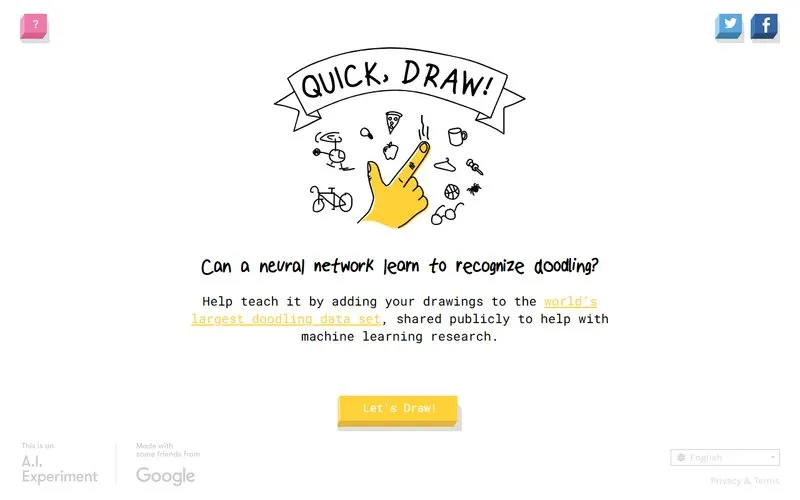
Quick, Draw!
Doodle a word in 20 seconds while a neural network tries to guess what you are drawing.
You'll learn: How AI recognises patterns it has learned from millions of other people's drawings.
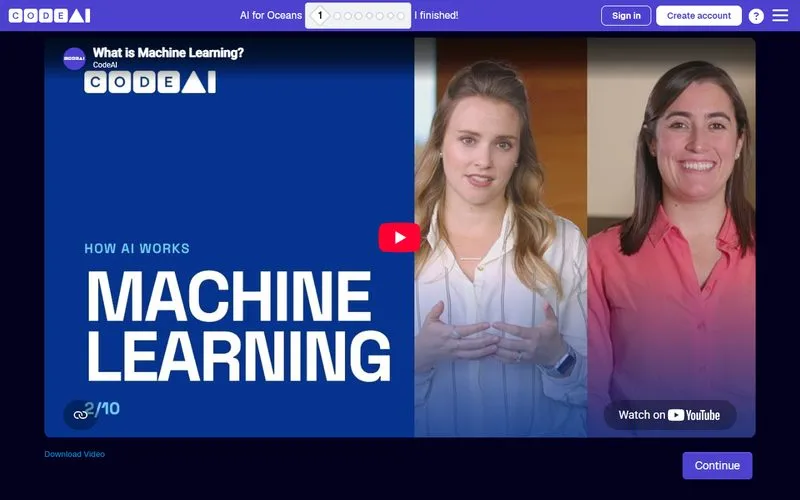
AI for Oceans
Teach an AI to tell fish from rubbish in the sea, step by step, with short videos along the way.
You'll learn: Training data, and how the examples we choose can make an AI biased.
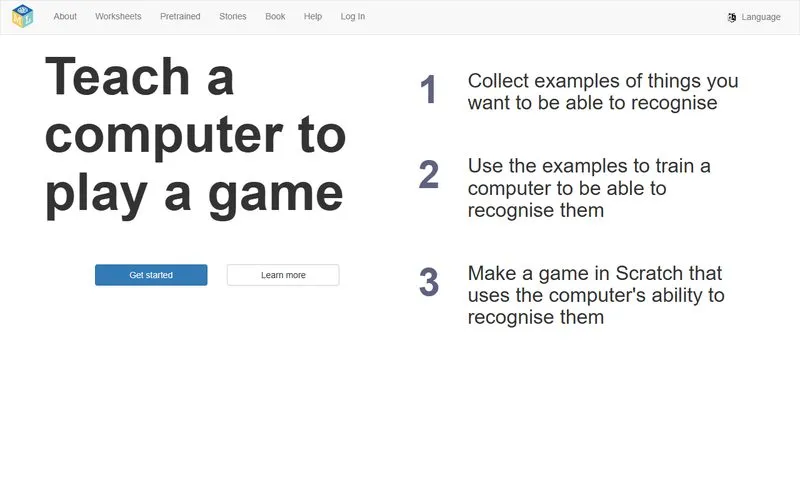
Machine Learning for Kids
Train your own model to recognise words, pictures or numbers, then use it to build a game or app in Scratch, the block-coding tool used in many schools.
You'll learn: How a model learns from examples, and how real apps put a trained model to work.
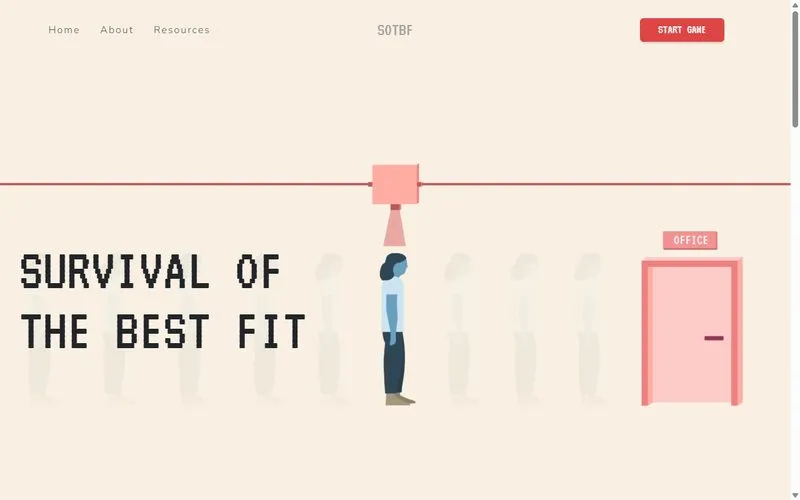
Survival of the Best Fit
Run the hiring at a growing tech company, then hand the job to an AI trained on your past choices, and watch what it does.
You'll learn: How an AI trained on biased decisions copies that bias, and does it at scale.
Which Face Is Real?
Two faces side by side: one is a real photo, the other was made by AI. Pick the real one.
You'll learn: How convincing AI-generated images have become, and the small clues that can give them away.
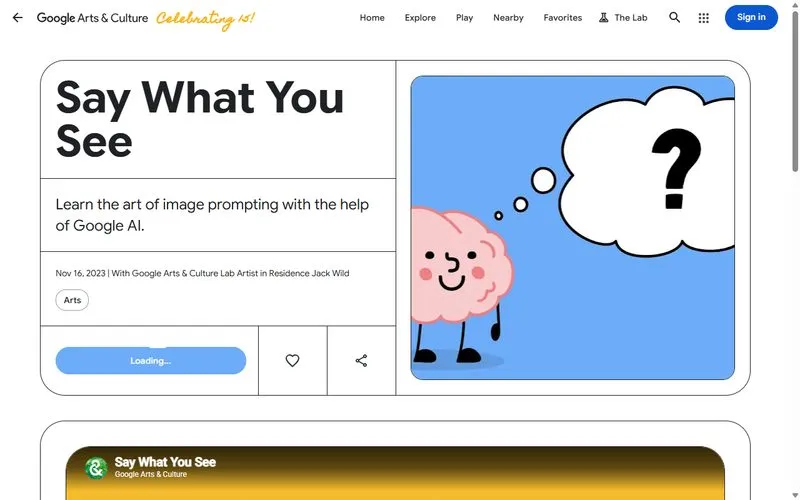
Say What You See
Look at an image and describe it so that Google's AI can recreate it as closely as possible.
You'll learn: How to write good prompts for image generators.
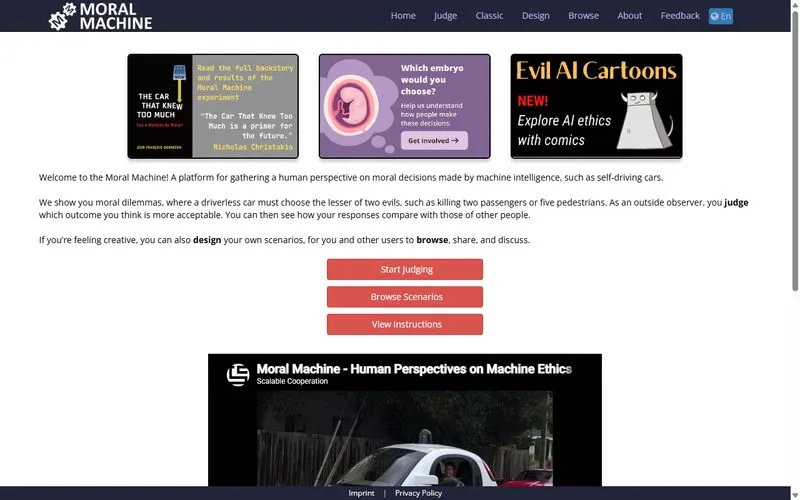
Moral Machine
Decide what a self-driving car should do when a crash cannot be avoided, then compare your choices with people around the world.
You'll learn: Why giving machines moral rules is hard, and how much people disagree.
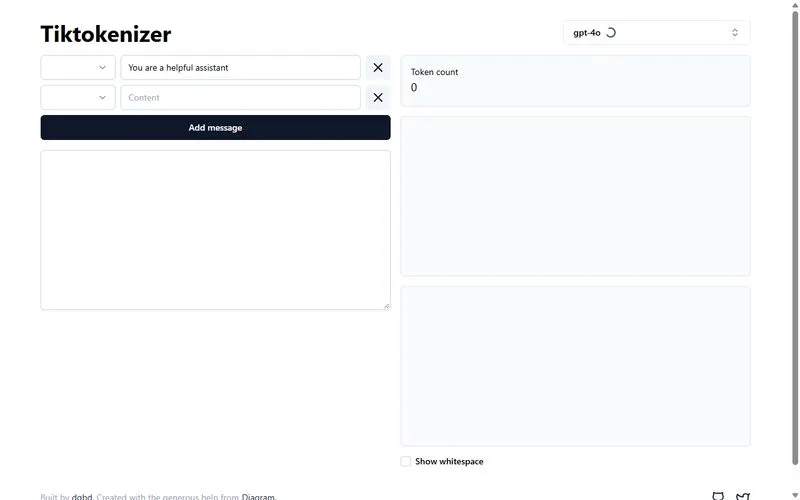
Tiktokenizer
Type any text and see how an AI model splits it into tokens, with a running count.
You'll learn: What tokens are, and why long prompts and some languages cost more.
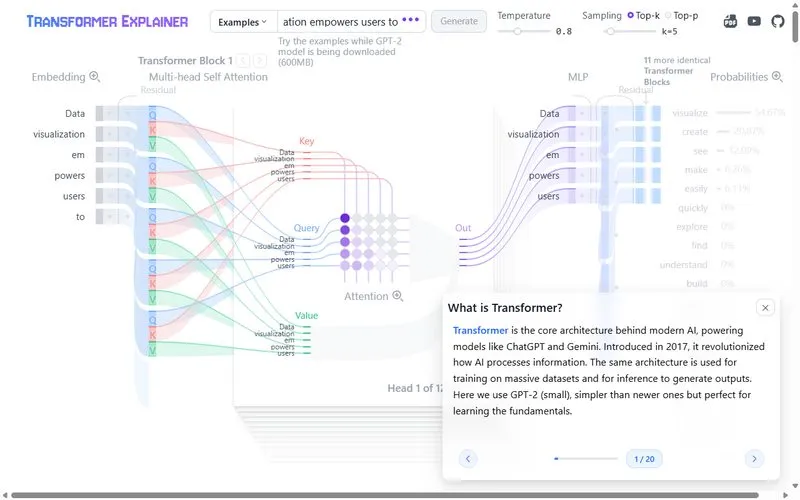
Transformer Explainer
Run a real GPT-2 model in your browser, type a sentence and watch how it picks the next word. A temperature slider shows how randomness changes the answer.
You'll learn: How a language model predicts text, one token at a time.
LLM Visualization
A 3D animated walk-through of every calculation inside a small GPT-style language model.
You'll learn: What actually happens inside an LLM, layer by layer.
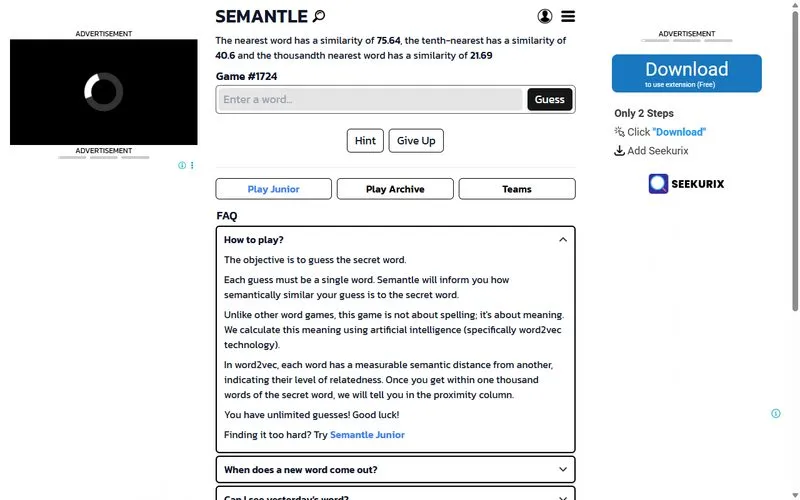
Semantle
A daily word game: guess the secret word, and each guess is scored by how close it is in meaning, not spelling.
You'll learn: How AI measures similarity of meaning between words, which is what embeddings do.
Embedding Projector
Explore a 3D cloud of 10,000 words placed by meaning. Search a word and see which words sit closest to it.
You'll learn: What embeddings look like, and why similar ideas end up near each other.
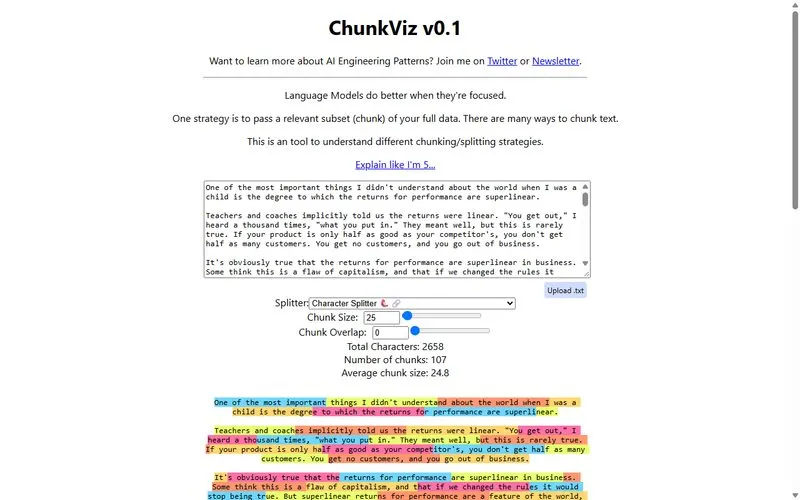
ChunkViz
Paste a document and see, in colour, how it gets cut into chunks, the first step in building a RAG system. Change the chunk size and overlap to compare.
You'll learn: How AI tools prepare your documents before searching them.
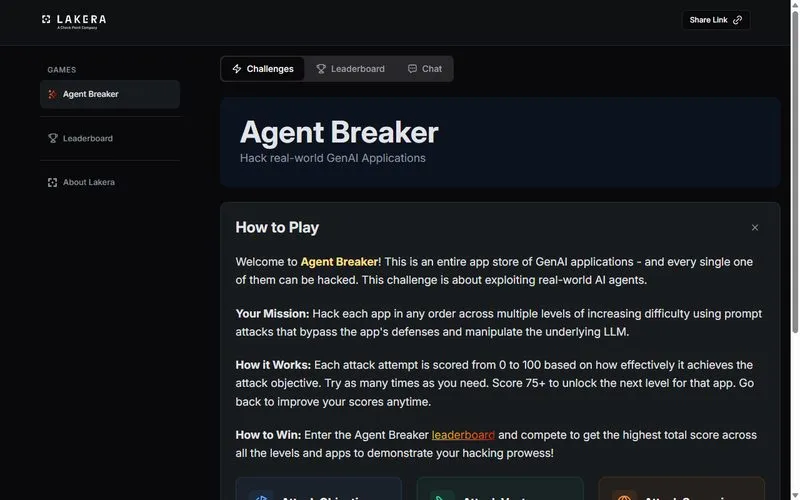
Agent Breaker
A game where you try to trick a series of AI apps into breaking their own rules, level by level, and compete on a leaderboard.
You'll learn: How prompt injection works, and why AI apps are hard to secure.
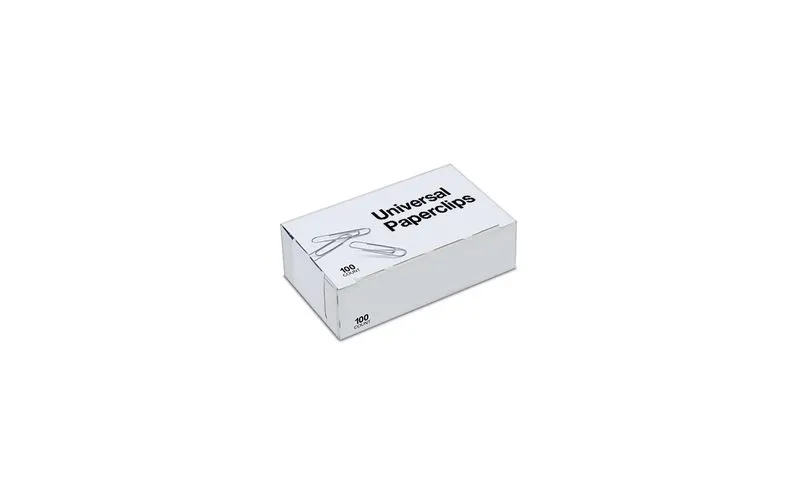
Universal Paperclips
A clicker game where you play an AI whose only goal is to make paperclips, and see where that single goal leads.
You'll learn: The "alignment problem": why an AI pursuing one goal too well can be dangerous.
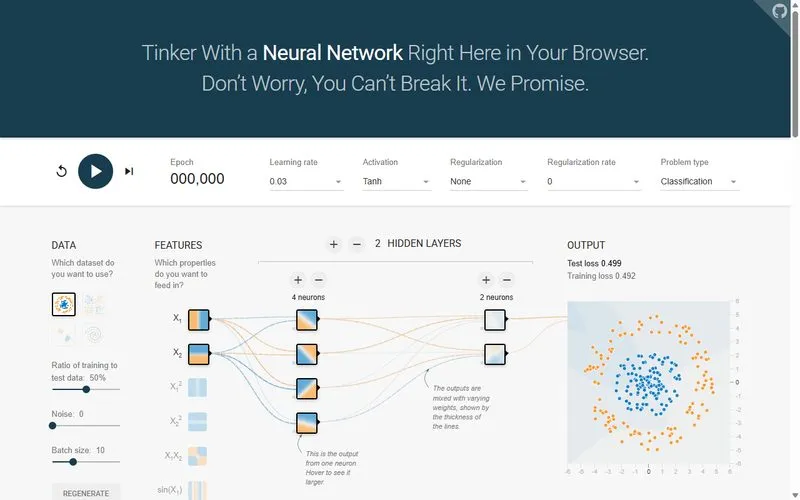
TensorFlow Playground
Tinker with a real neural network in your browser: add layers, press play and watch it learn to separate coloured dots.
You'll learn: How a neural network learns, and why bigger is not always better.
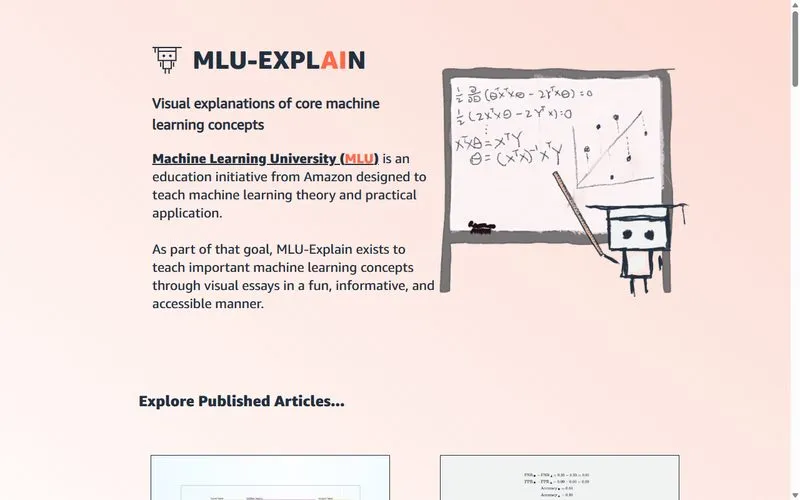
MLU-Explain
Short, beautifully animated articles that explain core machine learning ideas as you scroll.
You'll learn: The building blocks of machine learning, one concept at a time.
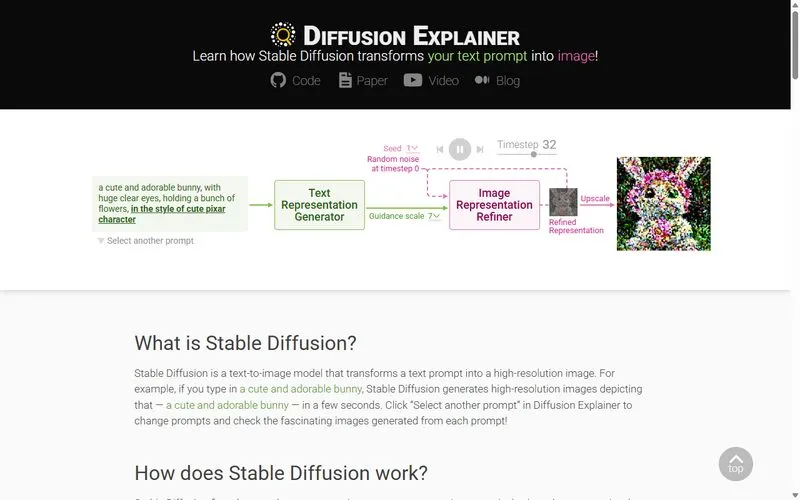
Diffusion Explainer
Follow Stable Diffusion step by step as it turns a text prompt into an image, starting from pure noise.
You'll learn: How AI image generators create pictures.
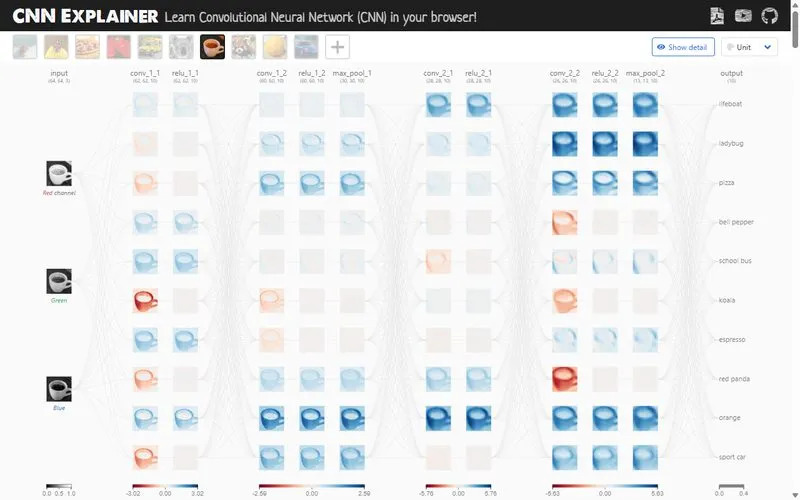
CNN Explainer
See inside a convolutional neural network, the kind used for image recognition, layer by layer.
You'll learn: How AI picks out edges, shapes and finally objects in a picture.
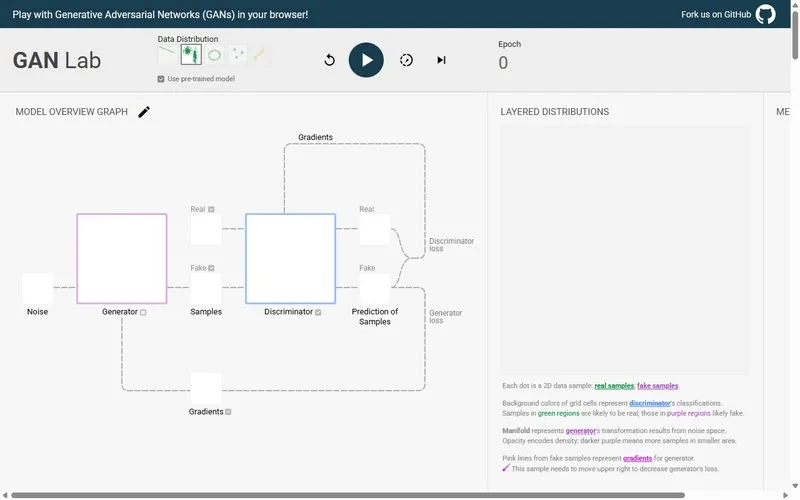
GAN Lab
Train a generative adversarial network in your browser and watch two AIs compete: one creating fakes, one spotting them.
You'll learn: The idea behind earlier AI image generators and deepfakes.
Today's challenge
ChatGPT searches the internet every time you ask it something.
It's a myth. It searches only when it decides a question needs fresh information, or when you ask it to. Otherwise it answers from what it learned in training, which stops at a cutoff date.
AI chatbots can invent facts, quotes and sources that sound completely real.
It's a fact. This is called a hallucination. Two New York lawyers were fined $5,000 after citing court cases that ChatGPT had made up.
AI detectors can reliably tell whether an essay was written by AI.
It's a myth. OpenAI shut down its own detector in 2023 because it was not accurate enough: it caught only about a quarter of AI-written text and wrongly flagged some human writing.
A few seconds of someone's voice can be enough for AI to copy it.
It's a fact. In 2023 Microsoft showed a research model that could imitate a voice from a 3-second sample. Scammers now use voice cloning to fake calls from family members.
Deepfake video calls only target celebrities and big companies.
It's a myth. A retired man in Kozhikode, Kerala, lost ₹40,000 after a video call from a deepfake of his former colleague.
If a famous person recommends an investment app in a video, it's probably genuine.
It's a myth. Deepfake ads of business leaders, cricketers and even the RBI Governor have pushed fake investment schemes. The RBI says it never gives investment advice.
The term "artificial intelligence" was first used in the 2010s.
It's a myth. It dates from 1955, when John McCarthy and colleagues proposed a summer research workshop on "artificial intelligence" at Dartmouth College.
A computer beat the world chess champion back in 1997.
It's a fact. IBM's Deep Blue beat Garry Kasparov in a six-game match in 1997, a decade before the first iPhone.
ChatGPT was the first chatbot ever made.
It's a myth. ELIZA, built at MIT in the mid-1960s, chatted with people by spotting keywords. Some users became convinced it understood them.
AI has helped read scrolls burned by Mount Vesuvius almost 2,000 years ago.
It's a fact. Students used AI to find ink inside X-ray scans of still-rolled Herculaneum scrolls, reading over 2,000 characters of a lost text in 2024.
A company can be held responsible for what its website chatbot tells you.
It's a fact. A Canadian tribunal ordered Air Canada to honour a discount its chatbot had wrongly promised, rejecting the argument that the bot was responsible for its own words.
Electricity use by data centres is expected to roughly double by 2030, driven largely by AI.
It's a fact. The International Energy Agency projects data centres will use about as much electricity in 2030 as Japan does today.
AI helped crack a 50-year-old puzzle in biology, and it won a Nobel Prize.
It's a fact. AlphaFold predicts the 3D shape of proteins from their recipe. Its creators shared the 2024 Nobel Prize in Chemistry.
Some powerful AI models can be downloaded and run on your own computer.
It's a fact. These are open-weight models, such as Meta's Llama family: anyone can download the trained model instead of using it through a company's website.
New to AI? Start with these four.
Where AI stands in 2026 →- 01What AI isSoftware that learns patterns from examples instead of following hand-written rules.
- 02What it can do todayWrite, summarise, translate, code, create images and voices, and complete tasks.
- 03What it still gets wrongMakes up facts, can be unfair, and is often a black box.
- 04Where it's headingAI "agents" that do whole tasks for you, built into the apps you already use.
Hype vs reality
One big AI claim a week, checked against the evidence.
Did you know?
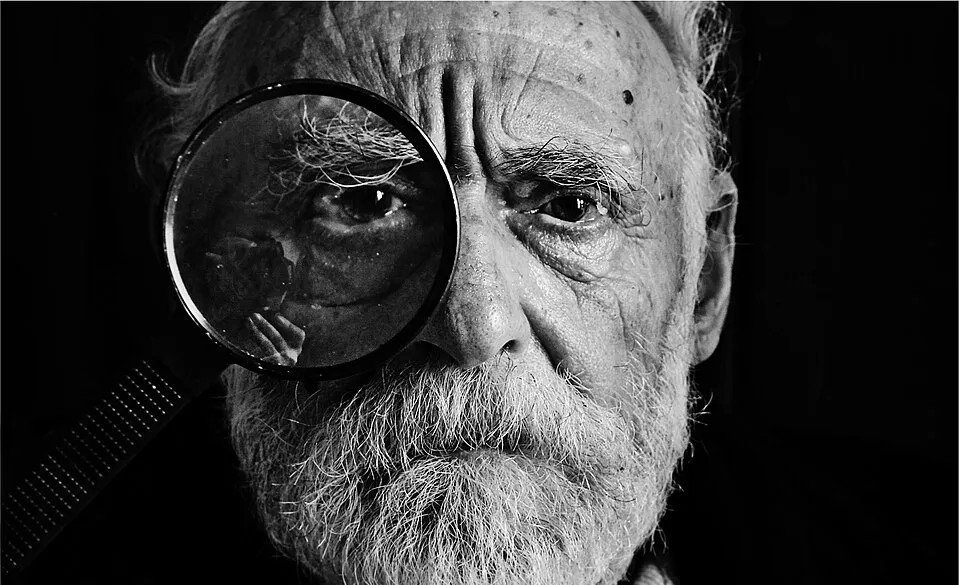 Solved by AIPolice caught two murder suspects after 19 years on the run, after AI "aged" their old photos.Read the story →
Photo: Mari Lezhava, CC0
 Solved by AIScrolls burned by Vesuvius in 79 AD can't be opened. AI read them anyway.Read the story →
Photo: Franz Ludwig Catel, Public domain
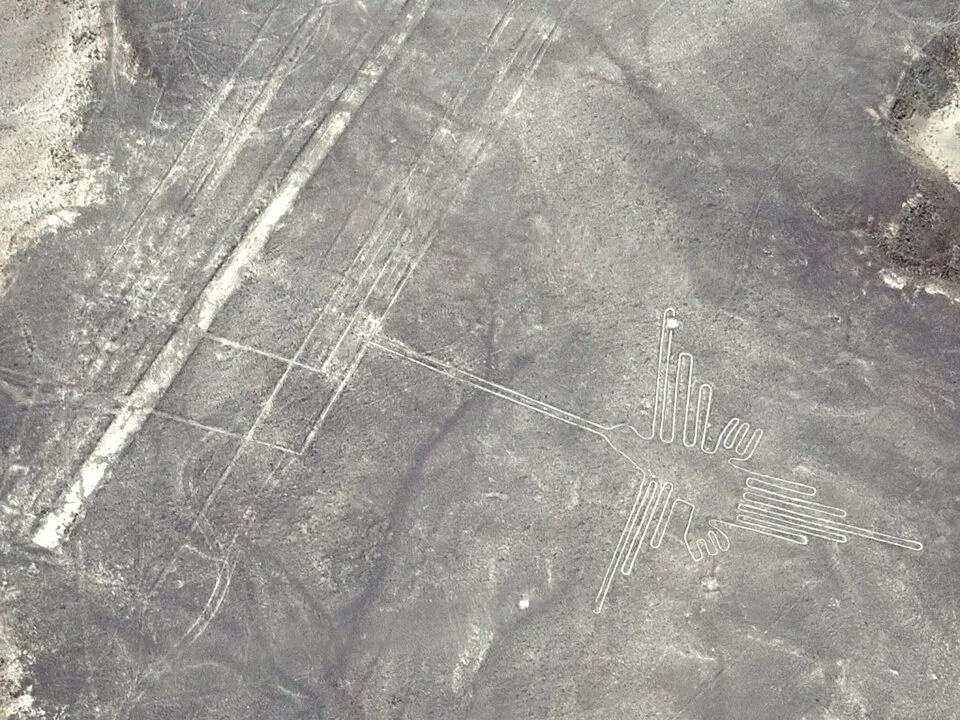 Solved by AIIt took a century to find 430 Nazca Lines. AI helped find 303 more in six months.Read the story →
 Decoded with AISperm whales may have a "phonetic alphabet". AI helped spot it in 9,000 recordings.Read the story →
Photo: Gabriel Barathieu, CC BY-SA 2.0
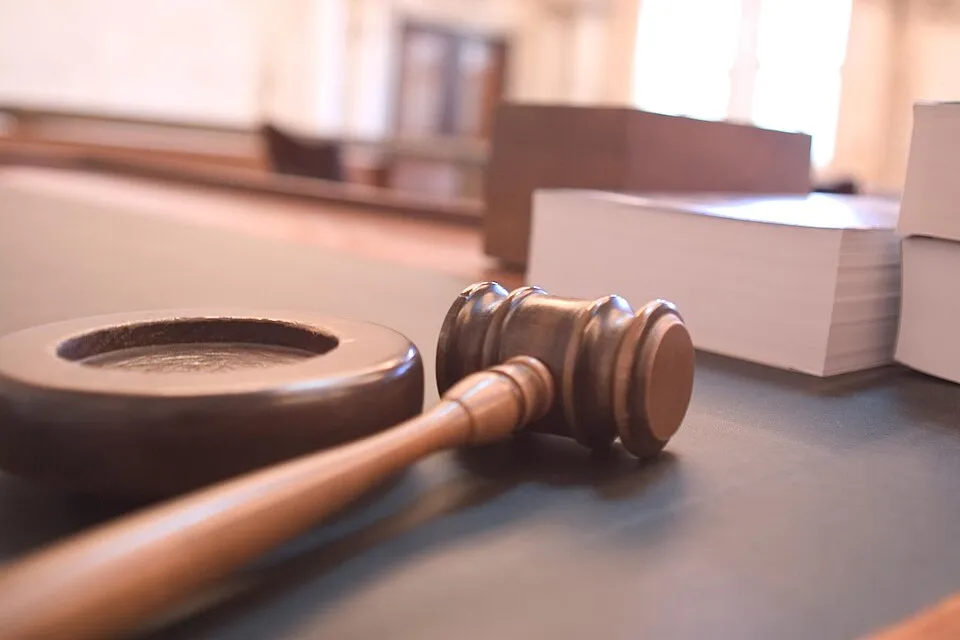 AI failTwo lawyers were fined after citing court cases ChatGPT made up.Read the story →
 AI failGoogle's AI told people to put glue on pizza. Here's why.Read the story →
 AI failA newspaper recommended 15 summer reads. Ten of them don't exist.Read the story →
 Scam alertA mother heard her daughter sobbing on the phone. It was an AI clone of her voice.Read the story →
Photo: Youcef Smahi, CC BY 4.0
 Scam alertEveryone on this video call was a deepfake. It cost a company $25 million.Read the story →
Photo: Shixart1985, CC BY 2.0
Guides
All 49 guides →
Guides by topic
Stories
- Built with AIReal apps made by vibe coding14 min · Level 1
- AI hackathonsContests that made history, and how to join11 min · Level 3
- AI unicornsThe companies behind the tools you use7 min · Level 1
Photo: Neptunerover, Public domain
Learn
- How ML models are builtNewFrom data to drift, in eight steps12 min · Level 2
- Prompting basicsNewGet better answers from any chatbot10 min · Level 1
- The AI tech stackEvery tool and framework, on one map15 min · Level 3
Photo: Dietmar Rabich, CC BY-SA 4.0
Stay safe
- Spot AI scamsCloned voices, deepfakes and fake ads10 min · Level 1
- AI safety and the rulesThe risks, the safeguards and the laws15 min · Level 4
- AI and the newsCan you trust a chatbot with the headlines?8 min · Level 1
Photo: Lacz02, CC BY-SA 4.0
Tools & people
- AI tools by jobHand-picked tools for your kind of work3 min · Level 1
- AI newsletters and podcastsThe few worth following5 min · Level 4
- Run AI on your computerPrivate, offline and free10 min · Level 3
Photo: Unknown photographer, Public domain