
AI hackathons and challenges that made history
A hackathon is a sprint: a weekend where strangers team up and build something that works. Some of the most remarkable moments in AI came from hackathons and open challenges, from computers fighting computers in Las Vegas to students reading a scroll burned by Vesuvius. Here's what a hackathon is, the stories worth knowing, and how you can join one.
- Big prize
- A prize of $1 million or more in total.
- Prize still unclaimed
- Nobody has yet hit the target for the top prize.
- Organiser's figures
- Numbers reported by the organisers themselves.
How it started
June 1999
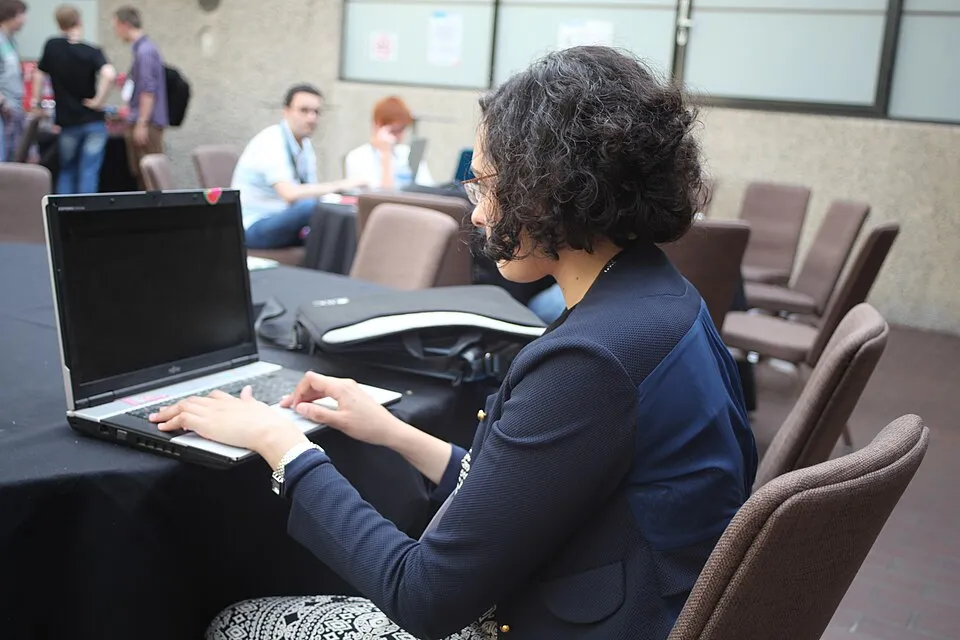
Gaelle Berton, CC BY-SA 3.0 The word "hackathon" is born, twice
What happened: In Calgary, Canada, ten developers of the OpenBSD operating system met to work on encryption code together. The same month, Sun Microsystems challenged visitors at its JavaOne conference to write a program for the new Palm V handheld.
What was built: Security software in Calgary; Palm V apps that could talk to each other over infrared at JavaOne.
Why it matters: Both called their events a "hackathon", apparently without knowing about the other. The name stuck.
Keep in mind: Who first used the word is not fully documented; both events are the earliest commonly cited.
Late 2000s
Facebook's "Like" button started at a hackathon
What happened: An idea called the "awesome button" got enough votes on Facebook's internal ideas board to earn an all-night hackathon to build it.
What was built: An early version of what became the Like button.
Why it matters: Not AI, but the most famous example of how big products can start as a weekend hackathon idea. Companies like Facebook still run regular internal hackathons.
AI challenges that made history
Big prizeAugust 2016
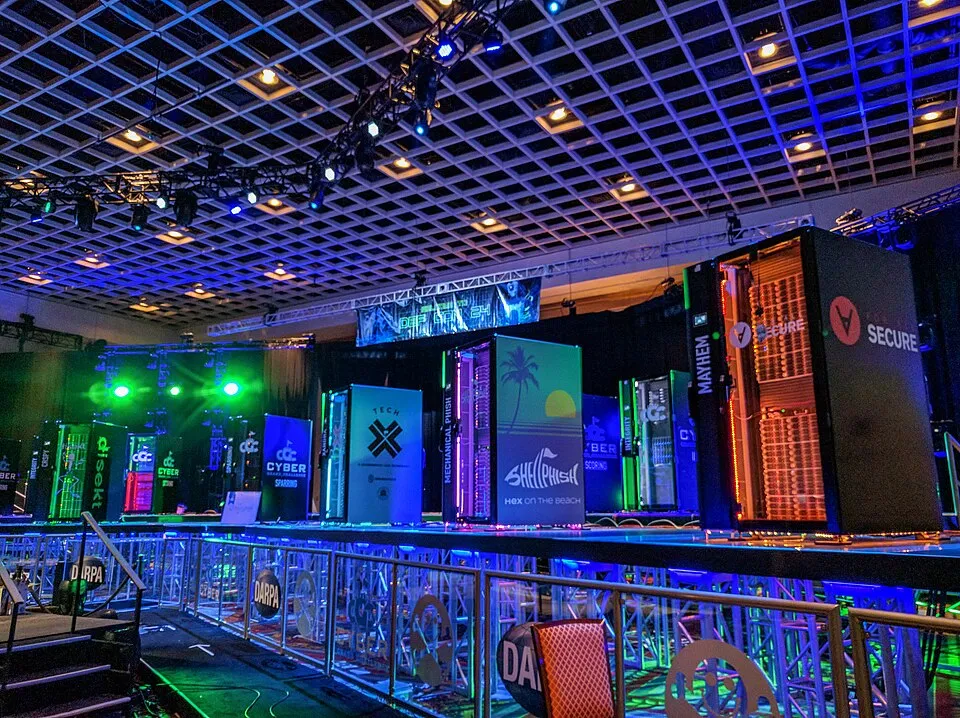
Tony Webster, CC BY 2.0 DARPA Cyber Grand Challenge: computers hack computers
What happened: The US defence research agency DARPA held the first hacking contest played only by machines. Seven computer systems attacked and defended each other for 96 rounds in Las Vegas, in front of about 5,000 people.
What was built: Mayhem, by the Pittsburgh team ForAllSecure, won the $2 million first prize. It then played against human hackers at the DEF CON contest, the first machine ever allowed to.
Why it matters: It showed computers could find and fix security holes on their own, years before today's AI boom.
Learn more:AI and cyber security
Big prizeFebruary 2024
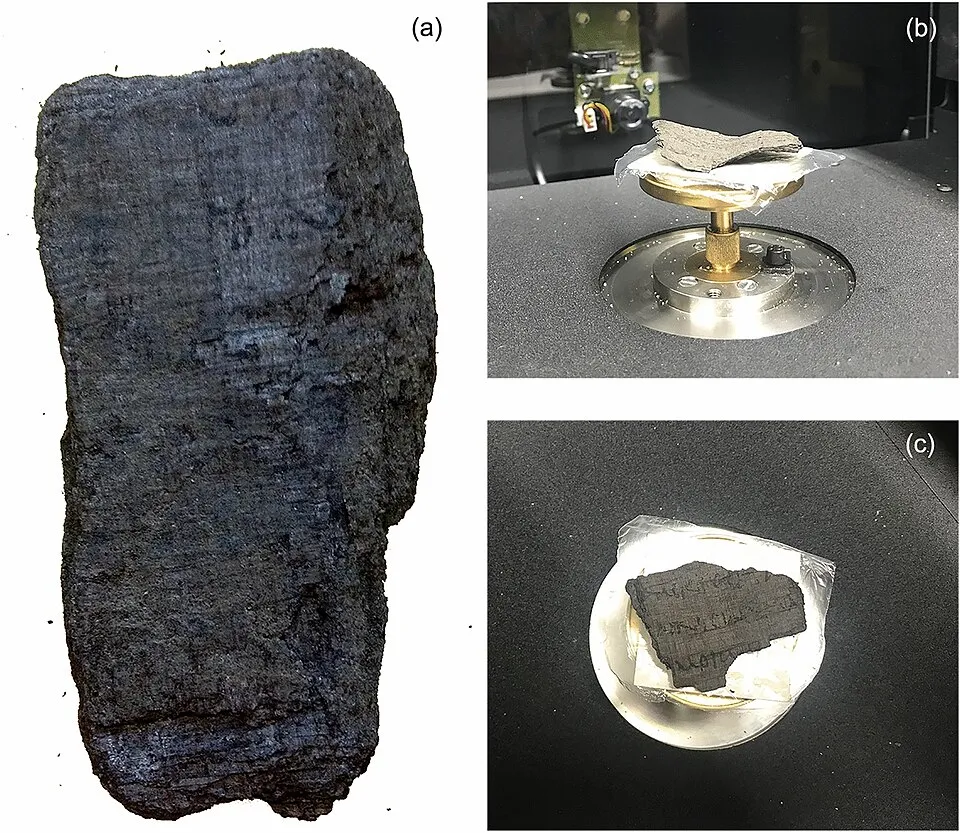
Sara Stabile, Francesca Palermo, Inna Bukreeva, Daniela Mele, Vincenzo Formoso, Roberto Bartolino & Alessia Cedola, CC BY 4.0 Vesuvius Challenge: reading a scroll burned in 79 AD
What happened: An open online prize asked anyone to read the charred Herculaneum scrolls, burned by Mount Vesuvius, without unrolling them. Thousands of people took part.
What was built: Three students, Youssef Nader, Luke Farritor and Julian Schilliger, used AI to spot ink in 3D X-ray scans and revealed more than 2,000 characters of a lost Greek text. They shared the $700,000 grand prize.
Why it matters: An ancient book unread for nearly 2,000 years, read by people working from home with AI.
Learn more:More in Mysteries AI solved
Big prizeJuly 2024
AI Mathematical Olympiad: a $10 million maths prize
What happened: Trading firm XTX Markets set up a $10 million fund for openly shared AI that can solve olympiad-level maths problems. The first progress prize drew 1,161 teams on Kaggle.
What was built: Team Numina won the first progress prize in 2024, NVIDIA's team won the second, and a third round finished in April 2026.
Why it matters: Maths is a tough test of reasoning, and the winning models are shared openly for anyone to use.
Learn more:AIMO updates
Big prizeAugust 2025
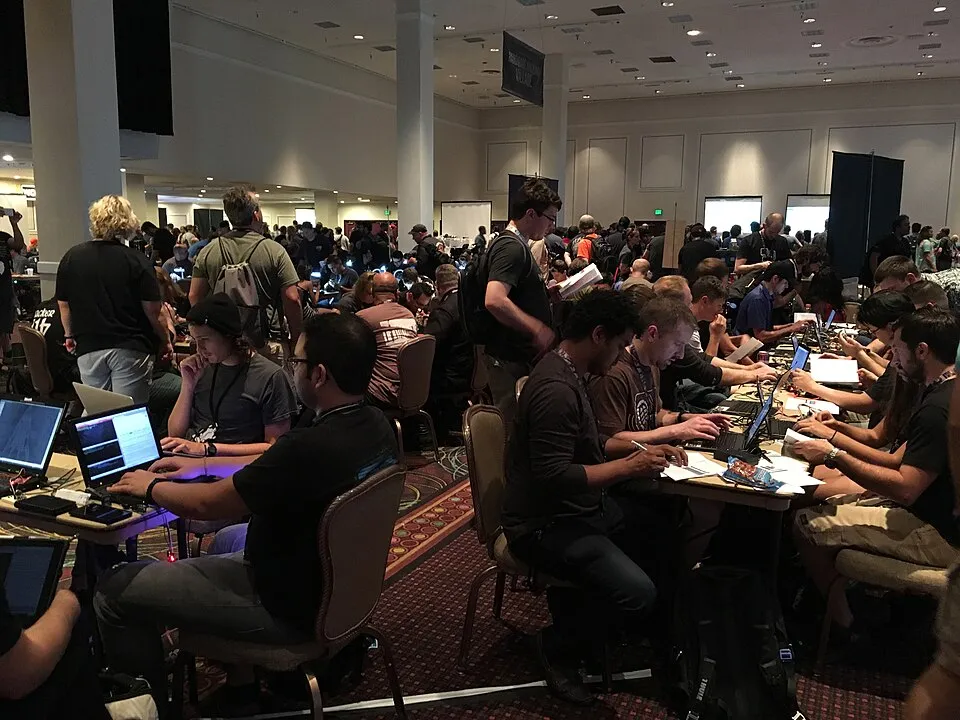
ArnoldReinhold, CC BY-SA 3.0 DARPA AI Cyber Challenge: AI that fixes security holes
What happened: Two years after it was announced, the final was held at the DEF CON hacking conference in Las Vegas. AI systems had to find and fix security holes in real, widely used software.
What was built: Team Atlanta (Georgia Tech, Samsung Research, KAIST and POSTECH) won $4 million. In the final, the systems found 54 planted weaknesses, fixed 43, and discovered 18 real ones nobody had planted.
Why it matters: Several winning systems were released free for anyone to use, to help protect software the world relies on.
Learn more:AI and cyber security
Prize still unclaimedNovember 2025
ARC Prize: puzzles easy for people, hard for AI
What happened: ARC Prize offers a big reward for AI that can solve simple visual puzzles most people find easy, testing real reasoning rather than memory. In 2025, 1,455 teams sent 15,154 entries.
What was built: The best entry, from an NVIDIA team, solved 24% of the hidden puzzles: a record, but far from the target.
Why it matters: It's a reminder of what AI still can't do. The grand prize is still waiting to be won, and a 2026 round is under way.
Learn more:The AI ladder
The biggest by numbers
Organiser's figuresOctober 2025

NASA Headquarters / NASA/Keegan Barber, Public domain NASA Space Apps: one weekend, 167 countries
What happened: NASA's yearly hackathon asks people to solve challenges using its free space and Earth data, in person and online, over one weekend.
What was built: In 2025, 114,094 people registered and formed 18,860 teams at 551 local events across 167 countries and territories.
Why it matters: Often described as one of the world's largest hackathons, and open to anyone, with many AI and satellite-data projects.
Organiser's figuresDecember 2025
Smart India Hackathon: hundreds of thousands of students
What happened: India's government runs a nationwide hackathon where students solve real problems set by ministries and companies.
What was built: In 2025, 68,766 student teams sent 72,165 ideas, and about 826,000 students took part in college rounds. 1,360 teams reached the five-day grand finale.
Why it matters: One of the biggest student innovation events anywhere, and a route from classroom to real projects.
April 2025
Kaggle: the always-on AI competition
What happened: Kaggle, owned by Google, runs AI and data competitions all year that anyone can enter online, with beginner contests and free learning courses.
What was built: More than 23 million accounts by April 2025. Several of the challenges on this page, including the AI maths prize and ARC Prize, run on it.
Why it matters: The easiest place to try an AI competition from home.
Learn more:Kaggle
How to join a hackathon
You don’t need to be an expert. Many hackathons welcome beginners, students and non-coders, and most are free.
- Find one: Devpost lists hundreds of hackathons, many of them online. Major League Hacking runs student hackathons around the world. lablab.ai hosts online AI hackathons, often with free access to AI tools.
- Try an AI competition from home: Kaggle has beginner “Getting Started” contests and free short courses.
- Join a big one: NASA Space Apps runs every October, in person and online, in over 160 countries.
- Look locally: universities, libraries and tech meetups often run weekend hackathons.
Tips for your first one: join or form a team that mixes skills (a coder, a designer, someone who knows the problem); aim for a small demo that works rather than a big idea that doesn’t; and check the rules on using AI coding tools, which vary by event.
How we chose these stories
We picked hackathons and AI challenges with lasting results or record participation, using official results (DARPA, NASA, the organisers) and reliable news coverage, with a source on every card. Participation numbers are the organisers’ own and are labelled. We show only photos of adults. Know an AI hackathon we should add? Tell us.