
AI and the news: can you trust a chatbot with the headlines?
More and more people ask a chatbot what's happening in the world. But how good are the answers? We look at what happened when journalists tested them, the headlines AI got badly wrong, where it genuinely helps newsrooms, the fight over who gets paid, and a quick check you can use on any news story.

45%
of AI chatbot answers about the news had at least one serious problem, in the biggest test so far.
European Broadcasting Union and BBC, 2025Can you trust a chatbot with the news?
Not yet, say the people who checked. Two big tests asked ChatGPT, Copilot, Gemini and Perplexity about the news, and journalists marked the answers.
February 2025
The BBC put four chatbots to the test
BBC journalists checked 100 answers from ChatGPT, Copilot, Gemini and Perplexity.
- 51%of answers had serious problems
- 19%of answers quoting the BBC got facts wrong
- 13%of BBC quotes were changed, or never said at all
October 2025
Then 22 broadcasters in 18 countries tried again
Journalists from public broadcasters checked over 3,000 answers in 14 languages.
- 45%still had at least one serious problem
- 31%pointed to the wrong source, or none
- 76%of Gemini's answers had serious problems, the worst of the four
The good news: answers got a little better between the two tests. The bad news: almost half still had a serious problem.
Headlines gone wrong

2024–25
iPhones announce news that never happened
Apple's AI squeezed news alerts into one-line summaries, and some came out wrong. One BBC alert was rewritten to say a murder suspect had shot himself. He hadn't. After complaints, Apple paused AI summaries for news in January 2025.
Source: abc7news.com2023
The finance articles nobody wrote
Tech site CNET quietly published 77 money articles written with an AI tool. Readers only found out when other journalists noticed. When editors checked, 41 of them had mistakes, and the tool was paused.
Source: edition.cnn.com2023
Sports writers who didn't exist
Sports Illustrated was found publishing product reviews under the names and photos of writers who appear never to have existed. The magazine blamed an outside supplier and cut ties with it.
Source: nbcmiami.comWhere AI actually helps
Used openly and checked by people, AI is already doing useful work in newsrooms.
Since 2014
Thousands of stories, written in seconds
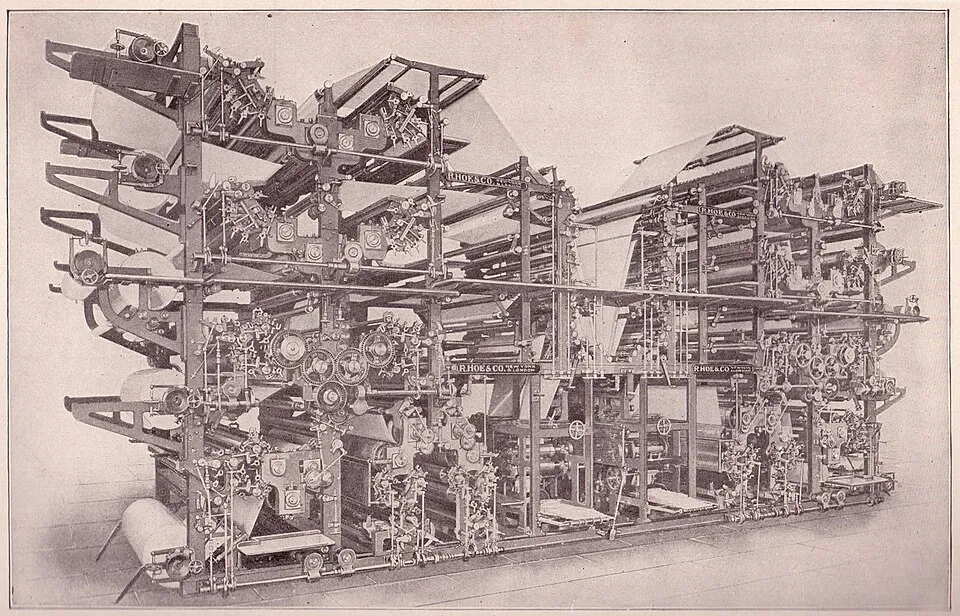
The Associated Press uses software to turn company results into short news stories. It went from about 300 earnings stories a quarter, written by hand, to around 3,000, freeing reporters for deeper work.
Source: en.wikipedia.org
2024
AI on prize-winning investigations
Two Pulitzer Prize winners said they used AI. One team trained a computer to sort thousands of police files; The New York Times trained one to spot huge bomb craters in satellite images of Gaza.
Source: niemanlab.orgThe money fight
AI chatbots learn from news articles and answer news questions. Publishers want to be paid, and to keep their readers.
- Some newspapers signed dealsNews Corp, owner of The Wall Street Journal, let OpenAI use its articles in a deal its own paper said could be worth over $250 million across five years. The Associated Press licensed part of its archive too.wsls.com
- Others went to courtThe New York Times sued OpenAI and Microsoft in December 2023, saying its articles were used without permission. Nearly three years on, the case is still going, with no trial date yet.en.wikipedia.org
- Fewer clicks for news sitesVisits from Google Search to news publishers fell by about 40% in a year (July 2025 to July 2026), as more people get answers without clicking. Not all of the drop is down to AI.relevantaudience.com
More on why fewer people click: AI and search.

How we get news now
The morning paper still exists, but a growing number of people simply ask a chatbot.
- 1 in 10people now get news from an AI chatbot each week, up from 7% a year earlier
- 17%of 18 to 24-year-olds do, more than three times the share of over-55s
- 4%of chatbot news readers usually click through to the original story
Fake news on autopilot
AI makes it cheap to fake a news site, a voice or a video. Here's how big that has become.
3,006
Fake news sites run by AI
Websites that look like news outlets but are mostly written by AI with little or no human checking, in 16 languages (March 2026). In 2023 there were 125.
Source: newsguardtech.com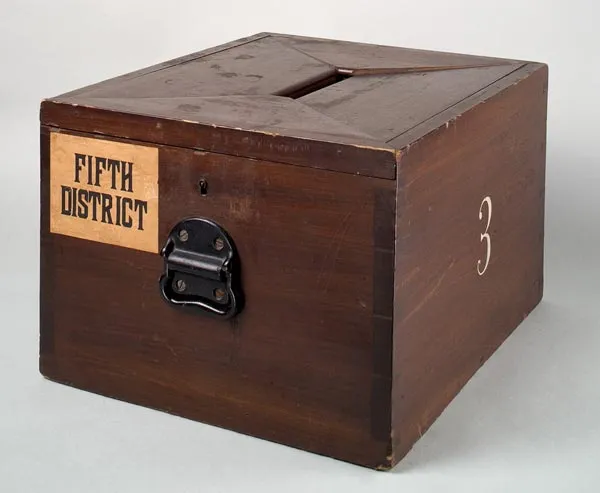
$6 million
A fake president on the phone
Before a US primary election in 2024, thousands of voters got a robocall with an AI copy of President Biden's voice telling them not to vote. The man behind it was fined $6 million.
Source: npr.orgYour 5-step news check
Takes less than a minute, and works whether the news came from a chatbot, a friend or a feed.
- Find the originalAsk the chatbot for its sources, then open them. If there is no link to a real news story, treat it as a rumour.
- Check the dateAI can mix up old and new stories. Make sure the news is actually from today.
- Two trusted namesBig news is reported by more than one outlet. If only one site has it, wait.
- Slow down on breaking newsAI summaries of fast-moving stories go wrong most often. Give it an hour.
- Doubt shocking clipsA shocking video or voice note? Fakes are easy to make now. See our guide to spotting AI fakes.
For fake voices and videos, see How to spot AI fakes and scams.
How we chose the evidence
We relied on the studies themselves (the BBC and the European Broadcasting Union, the Reuters Institute’s Digital News Report, NewsGuard) and on reliable news coverage of each incident, with a source link under every fact. AI and the news is changing fast, so we review this page every quarter. Related: AI and search and How to spot AI fakes and scams.