
AI data centres around the world: the good, the worries and the facts
Behind every AI answer is a data centre, and the newest ones are the size of small towns. They bring tax money, building jobs and even heat for homes, but also worries about power bills, water and noise. Here's where the biggest ones are, both sides of the debate, and the facts behind the headlines.

What is an AI data centre?
A giant warehouse packed with computer chips, cables and cooling. It's the factory behind every AI answer: when you ask a chatbot something, a building like this does the work. The newest ones are the size of a small town and use as much electricity as a city.
- 1.5%of the world's electricity went to data centres in 2024, for everything from email to streaming to AI.iea.org
- 45%of that was in the US, 25% in China and 15% in Europe.iea.org
- About 3%is where data centres are heading by 2030, with AI the biggest reason for the growth.iea.org
Some of the world's biggest AI data centres
Tap a pin to see who runs it, how big it is and what makes it stand out. Most of the biggest sites are in the US, which has nearly half of all data centre power.
- Running
- Partly running
- Being built
- Planned
Partly runningSeptember 2026
Stargate Abilene
Abilene, Texas, USA
- Who
- OpenAI, with Oracle and Crusoe
- Size
- About 1.2 gigawatts across eight buildings
Already training and running OpenAI's models while the last buildings are finished. A planned expansion next door was dropped in 2026.
Source: epoch.aiWhy they're built where they are
- Lots of powerA big AI site needs as much electricity as a city, so builders follow spare power: hydropower in Norway, new plants in Louisiana.
- Cool weather or waterChips get hot. Cold places like northern Norway and Sweden need less energy for cooling.
- SpaceThe biggest campuses cover hundreds of acres, so cheap, flat land matters.
- Fast connectionsSites sit near major internet cables, like the undersea cables landing in Visakhapatnam.
- Welcoming rulesTax breaks, quick permits and local support decide many locations, and local opposition can stop them.
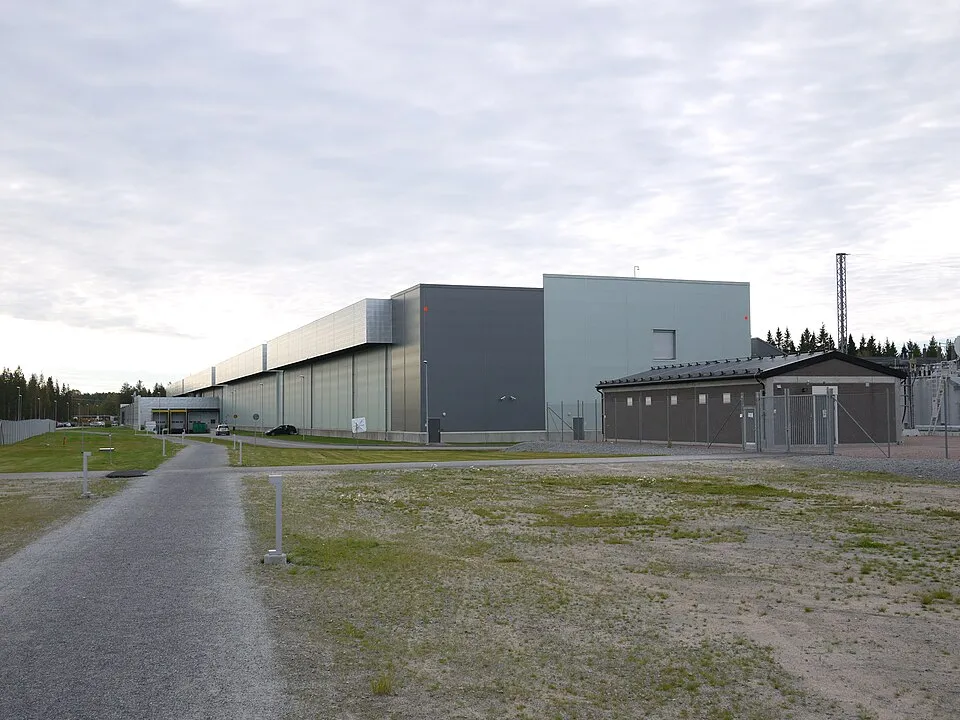
Good neighbour or bad neighbour? Both sides
Communities are split. Here's what places gain, and why some people push back.
What communities gain
- Taxes that pay for schools and roadsIn Loudoun County, Virginia, data centres pay about $1.2 billion a year in local taxes, around 38% of the main budget. The county has cut its property tax rate from $1.145 to $0.805 per $100 since 2016.loudoun.gov
- Lots of building workAround 1,500 workers can be on site at the peak of building one large data centre, and big campuses take years to finish.gigafact.org
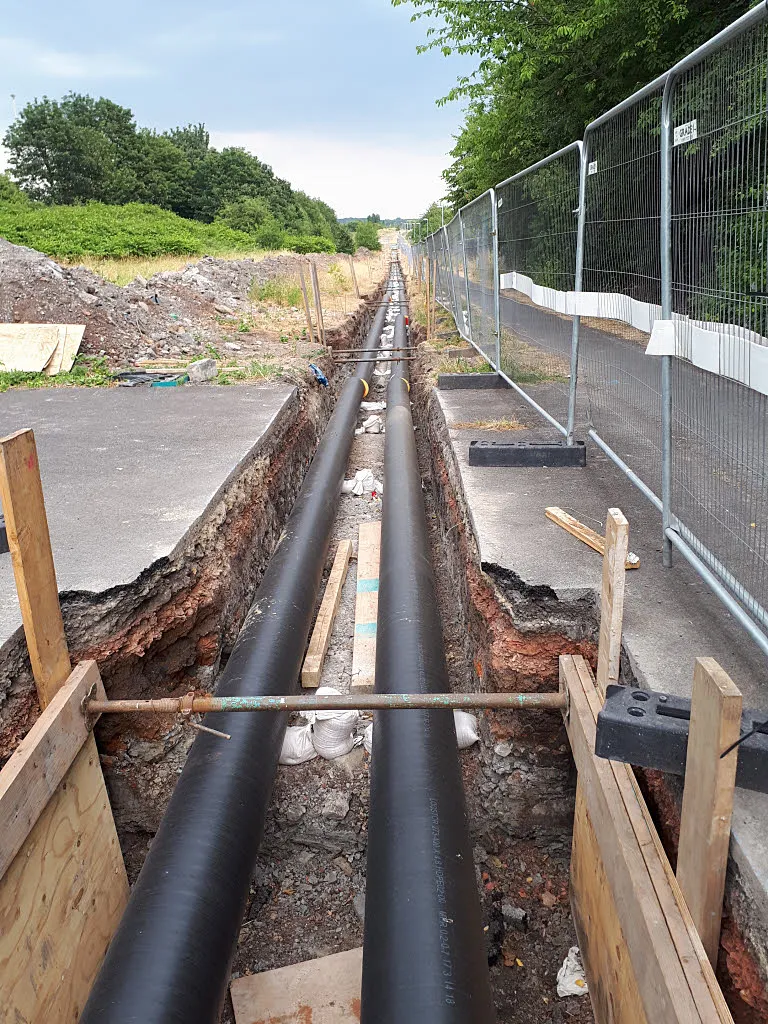
- Heat for homesIn Finland, waste heat from Microsoft's data centres will heat homes for about 250,000 people, replacing coal and gas.fortum.com
- Money for new clean powerTech companies are paying for new energy, from restarting a nuclear plant in Pennsylvania to hydropower in Norway, that also adds to the grid.world-nuclear-news.org
- Big investment in new placesGoogle's $15 billion hub in Visakhapatnam, India, comes with new internet cables and thousands of building jobs.investmentmonitor.ai
Why some people object
- Electricity billsIn one large US power market (PJM), the independent market monitor says data centres caused about $6.3 billion of $16.4 billion in costs in its latest auction, which flows into household bills. Others argue the market rules, not data centres alone, drove prices up.utilitydive.com
- Water in dry placesWhere water is scarce, cooling can compete with homes and farms. Johor in Malaysia paused new water-cooled sites during a drought; a court in Chile asked Google to rethink its plans.scmp.com
- Air pollution from on-site powerSome sites run their own gas turbines while waiting for grid power. In Memphis, neighbours and civil rights groups challenged xAI over turbines running without permits.selc.org
- Fewer long-term jobs than people expectOnce built, a typical large data centre may employ around 50 full-time staff, far fewer than the construction crew.gigafact.org
- Noise, land and landscapeResidents worry about humming equipment, backup generators and huge buildings near homes. In Virginia, courts blocked a giant campus planned next to a Civil War battlefield.fox5dc.com
In the US alone, a tracker counted 45 data centre projects worth about $68 billion delayed or blocked by local opposition between April and June 2026, with more than 800 local groups involved. Some of those projects may still go ahead. superpowerdaily.com
Should you worry? Some facts in proportion
"Data centres will use up the world's electricity."
They use about 1.5% today and may reach about 3% by 2030. That is a fast-growing share, but far from most of it. The pressure is local: in a few places, like Ireland, they use over a fifth.
Source: iea.org"AI is drinking our water supply."
Many new AI sites use closed-loop or air cooling that needs little water: Microsoft says its Wisconsin site uses about what one restaurant does in a year. Water matters most in already-dry places, which is why some projects there have changed designs.
Source: convergedigest.com"Every data centre pollutes the air."
Most run on electricity from the grid. On-site gas turbines are the exception and need permits, which is exactly what the Memphis dispute was about.
Source: selc.org"Nobody can stop them."
Communities can and do: hundreds of local groups have delayed or blocked projects, and courts have overturned approvals. Local councils set the rules.
Source: superpowerdaily.com
For the energy of a single AI question, see How much energy does one AI question use?; for the chips and hardware inside, see What powers AI.
One planned near you? Questions worth asking
- Where will its electricity come from, and who pays for new power lines or plants?
- How will it be cooled, and how much water will it use in a dry year?
- How much will it pay in local taxes, and for how long?
- How many permanent jobs will there be, not just building jobs?
- How loud will it be at the fence, and how often will backup generators run?
- Could its waste heat warm local homes or greenhouses?
How we chose the evidence
We used official sources where they exist (the International Energy Agency, Ireland’s Central Statistics Office, Loudoun County’s budget), company announcements labelled as such, independent trackers such as Epoch AI, and reliable news coverage of each project and dispute. Big data centre plans change month to month, so every site shows a date, and we review this page every quarter. Related: How much energy does one AI question use? and What powers AI.