
Guide
AI predictions: the hits, the misses and the spooky ones
People have been predicting what thinking machines would do for over 75 years. Some forecasts came true almost to the letter, some arrived decades late, and some missed completely. Here are the most famous ones, with what actually happened. Filter by era to explore.
- Came true
- Happened much as predicted.
- Came true early
- Happened sooner than the forecast said.
- Came true late
- Right idea, but it took far longer than predicted.
- Missed
- Did not happen, or not on anything like that timeline.
The pioneers
Came true late1950
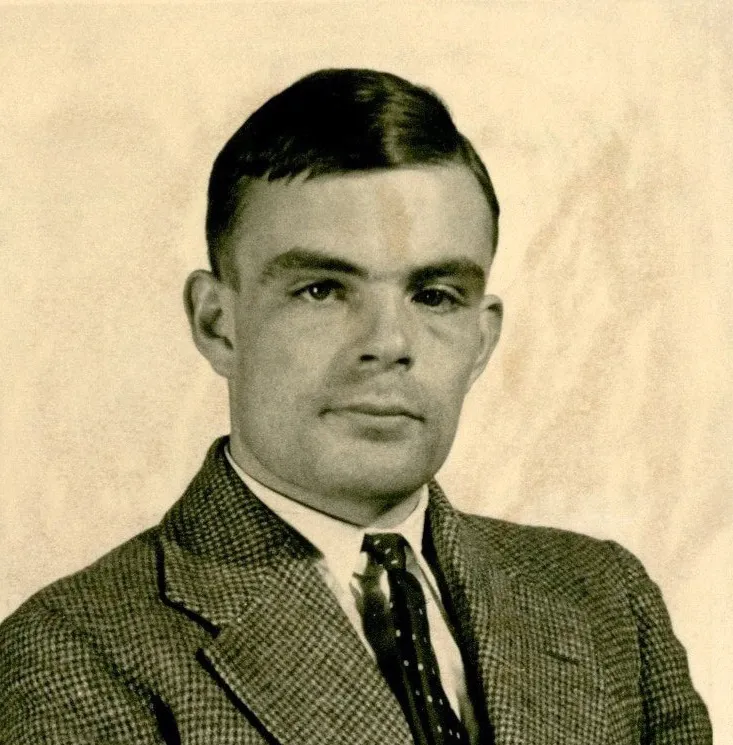
Unknown photographer, Public domain Alan Turing: machines will pass for human
The prediction: In his famous paper, Turing guessed that "in about fifty years" computers would play his "imitation game" so well that an average judge would be fooled a good share of the time, and that people would talk about machines thinking "without expecting to be contradicted".
What happened: It took 75 years rather than 50. In a 2025 study at UC San Diego, people chatting with GPT-4.5 judged it to be the human 73% of the time: more often than the real humans in the test.
Came true late1958
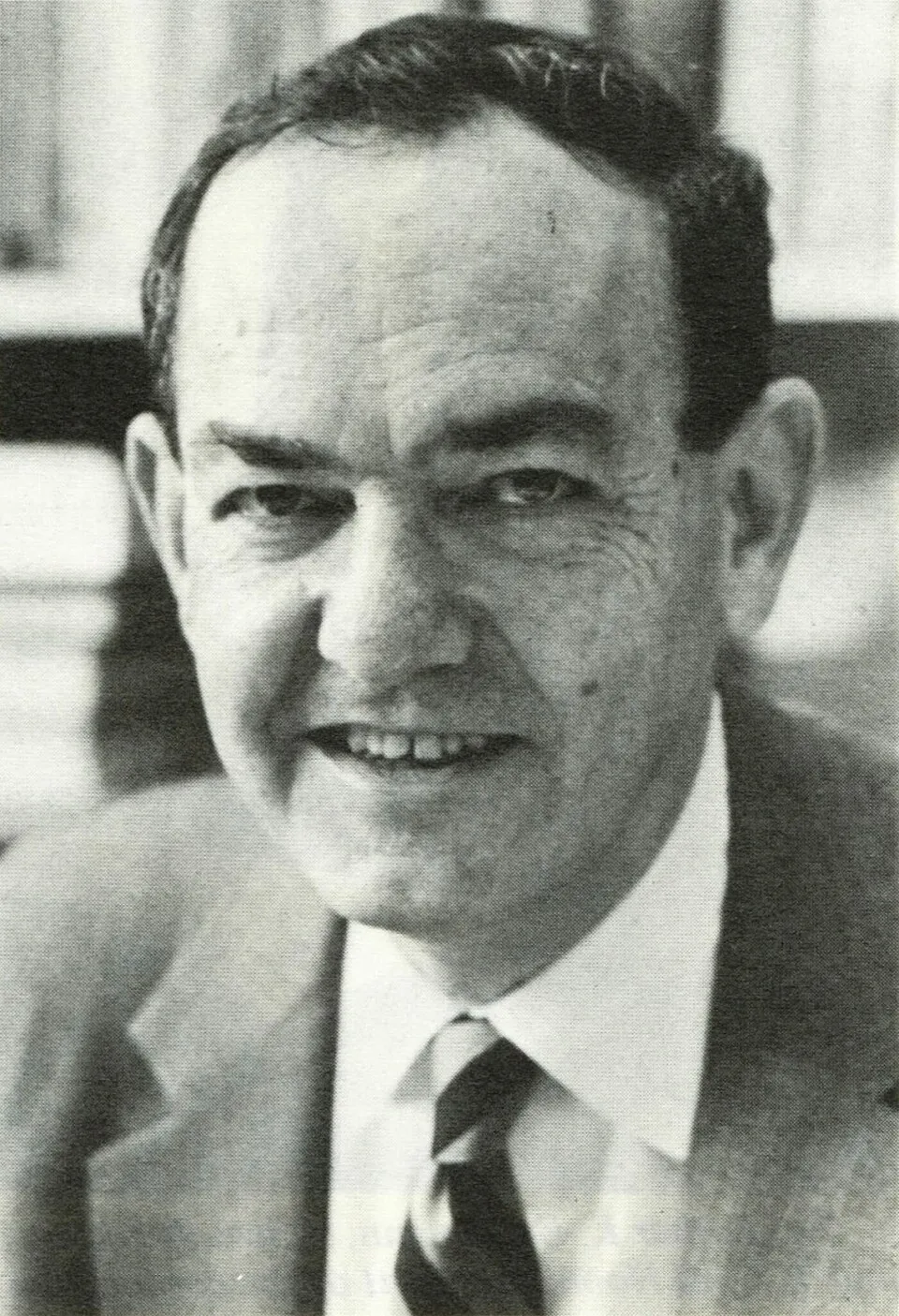
Rochester Institute of Technology, Public domain Herbert Simon: a computer chess champion within ten years
The prediction: AI pioneers Herbert Simon and Allen Newell wrote that "within ten years a digital computer will be the world's chess champion".
What happened: It took 39 years. IBM's Deep Blue beat world champion Garry Kasparov in 1997, after decades of chess programs that played far below master level.
Missed1970
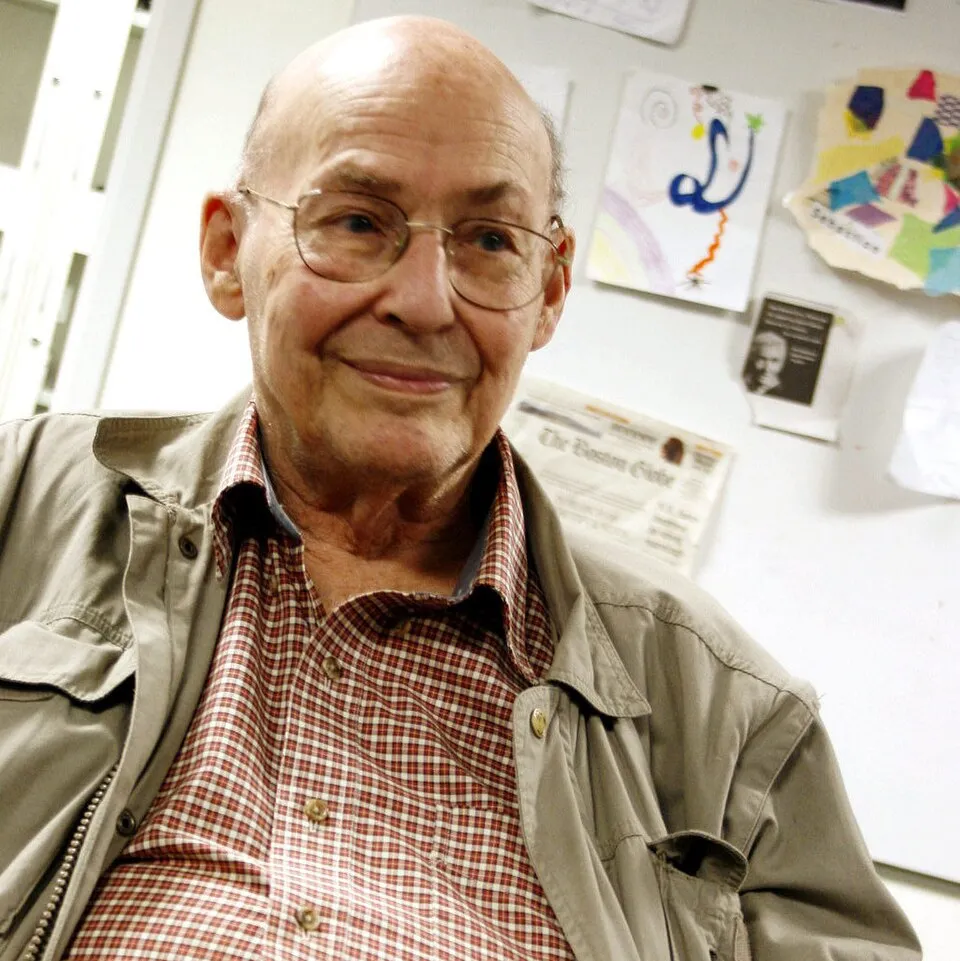
Sethwoodworth, CC BY 3.0 Marvin Minsky: human-level AI in three to eight years
The prediction: In a 1970 Life magazine interview, Minsky was quoted saying that "in from three to eight years we will have a machine with the general intelligence of an average human being", one that could read Shakespeare and tell a joke.
What happened: More than 50 years later, there is still no AI with the all-round common sense of an average person, though today's chatbots can now discuss Shakespeare and tell jokes.
Came true1988
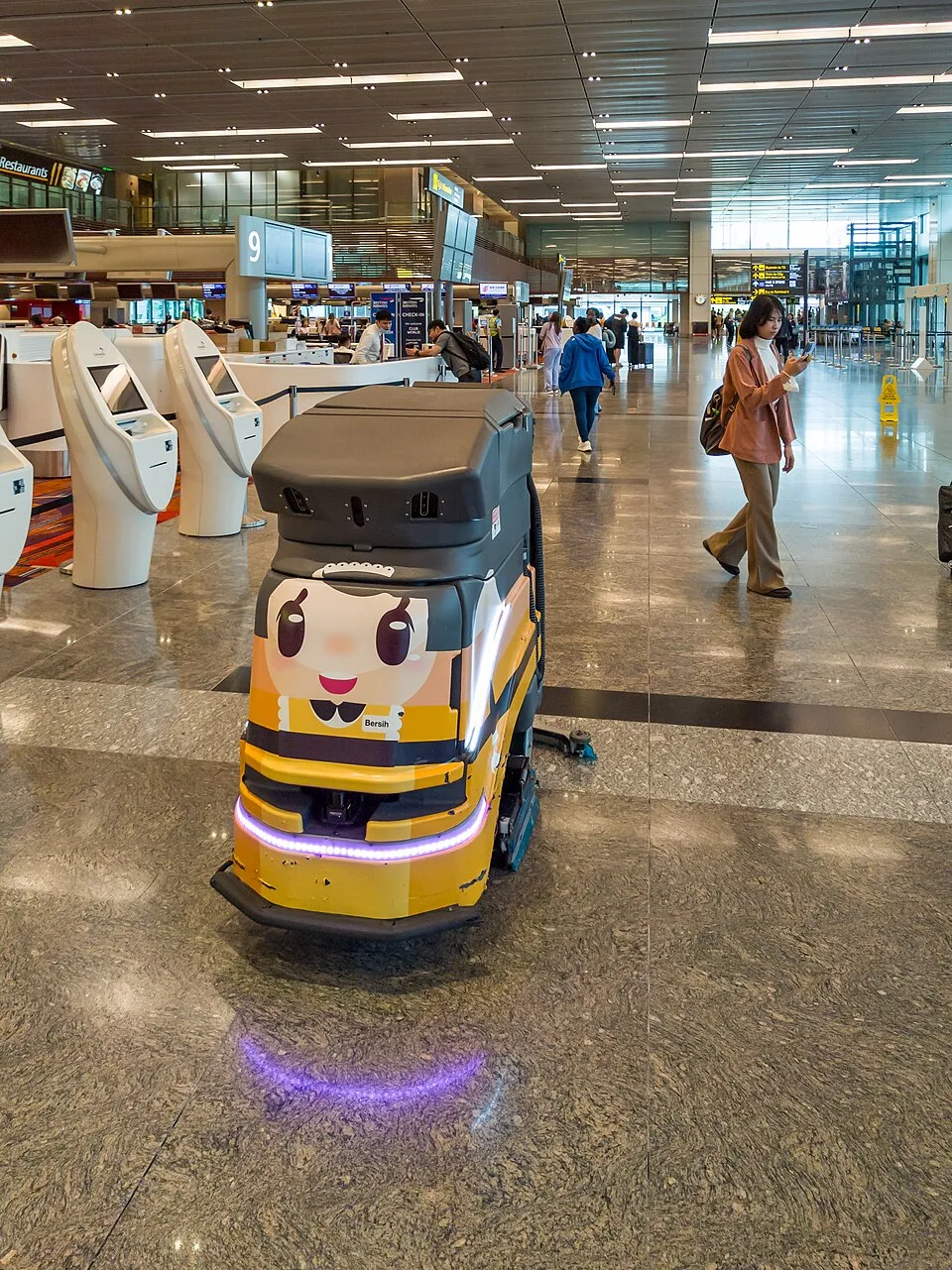
MB-one, CC BY-SA 4.0 Moravec's paradox: the hard things will be easy, and the easy things hard
The prediction: Robotics researcher Hans Moravec noted that it is comparatively easy to make computers match adults at intelligence tests or board games, and very hard to give them the perception and mobility of a one-year-old.
What happened: Still true today. AI now aces PhD-level exams, yet robots succeed in only about 12% of everyday household tasks, according to Stanford's 2026 AI Index.
Science fiction
Came true1964
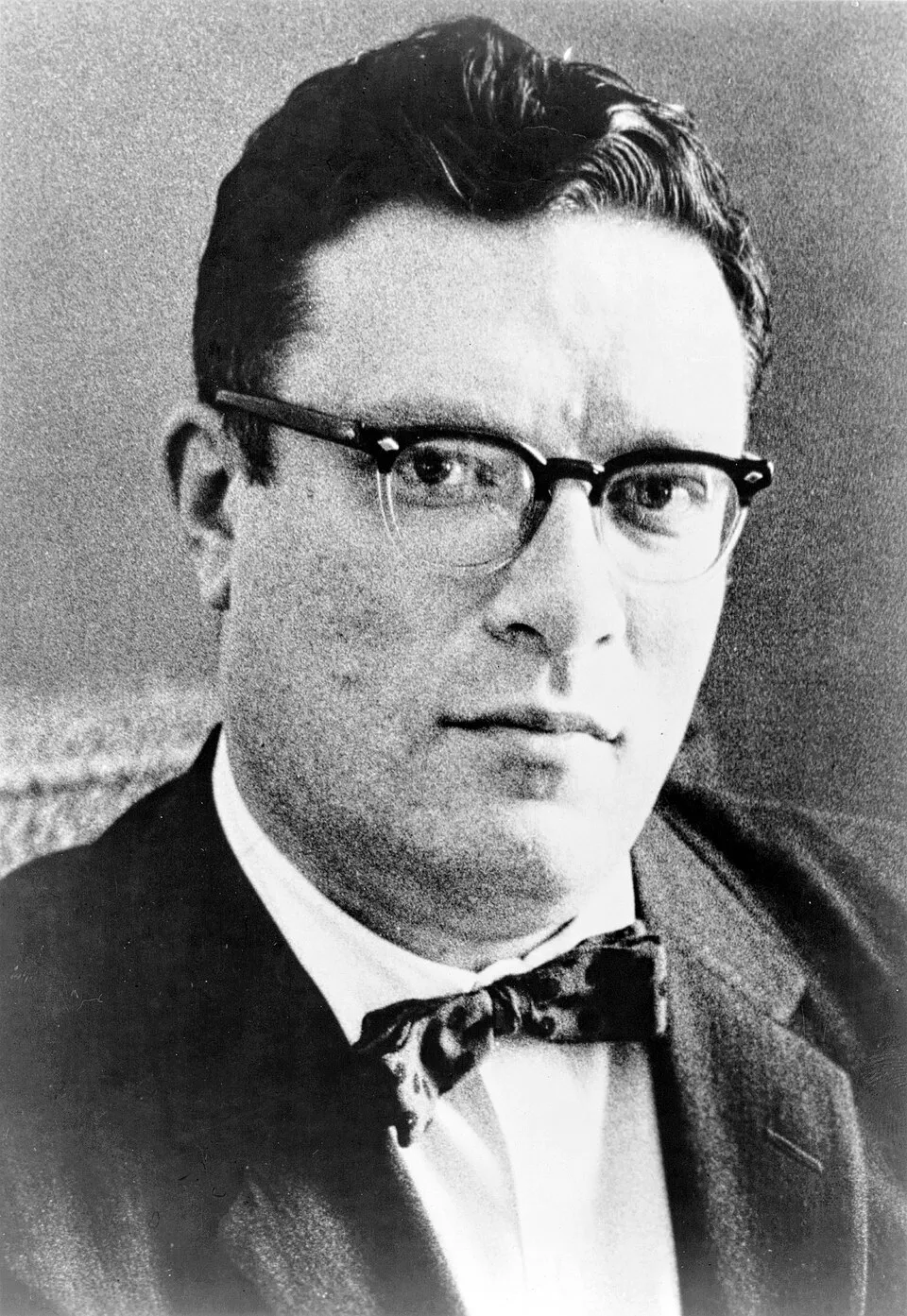
Phillip Leonian from New York World-Telegram & Sun, Public domain Isaac Asimov: robots in 2014 will be "neither common nor very good"
The prediction: Imagining the World's Fair of 2014, the science-fiction author wrote: "Robots will neither be common nor very good in 2014, but they will be in existence."
What happened: Spot on. In 2014 robots existed, mostly in factories and as simple vacuum cleaners, but useful home robots were rare and clumsy. Scientific American also credits his essay with foreseeing self-driving cars and video calls.
Came true late1968
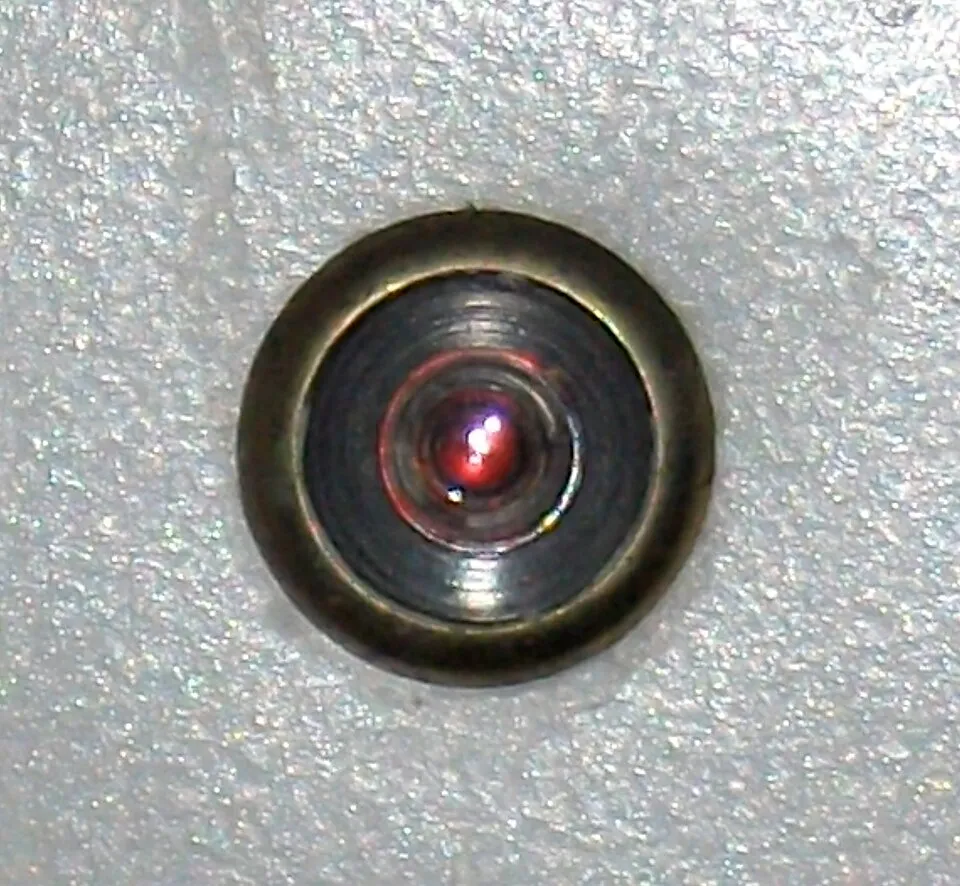
Neptunerover, Public domain 2001: A Space Odyssey: a computer you simply talk to
The prediction: The film imagined HAL 9000, a computer that understands everyday speech, chats naturally and runs a spaceship, set in the year 2001.
What happened: Talking to computers arrived later than 2001: voice assistants like Siri in 2011, and natural, flowing voice conversations with AI from 2023. Thankfully, without HAL's sinister side.
Came true1978
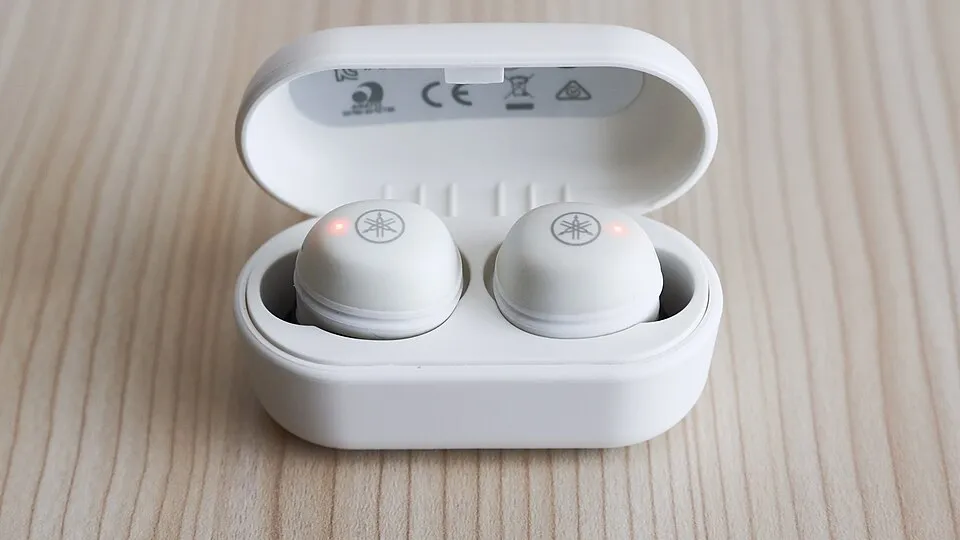
MIKI Yoshihito, CC BY 2.0 The Babel fish: instant translation in your ear
The prediction: In Douglas Adams' The Hitchhiker's Guide to the Galaxy, a small fish placed in your ear lets you understand any language instantly.
What happened: Earbuds now do a version of it: Google's Pixel Buds translated conversations from 2017, and Apple added live translation to AirPods in 2025, with the phone doing the AI work.
Came true2013

Shixart1985, CC BY 2.0 Her: falling for a warm, chatty AI voice
The prediction: The film Her imagined an AI assistant with a natural, emotional voice that people talk to all day, voiced by Scarlett Johansson.
What happened: About a decade later, OpenAI launched a lifelike ChatGPT voice. Sam Altman posted the single word "her", and OpenAI paused one voice, "Sky", after Johansson objected that it sounded like her. OpenAI said it was based on a different actress.
The modern era
Came true early1990
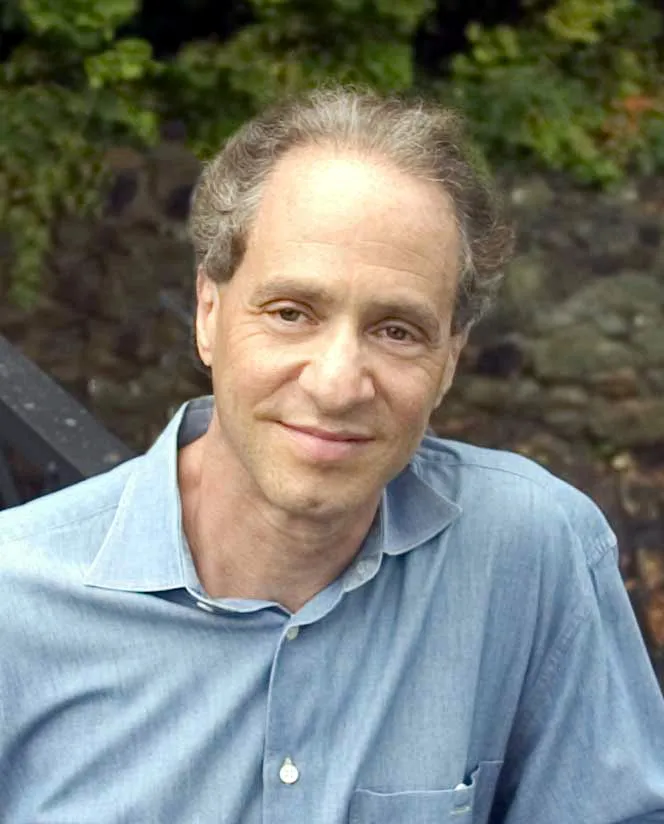
Michael Lutch, CC BY 1.0 Ray Kurzweil: a computer will beat the chess champion by 1998
The prediction: In his book The Age of Intelligent Machines, futurist Ray Kurzweil predicted that a computer would defeat the world chess champion by 1998.
What happened: A year early: IBM's Deep Blue beat Garry Kasparov in 1997.
Came true early1997
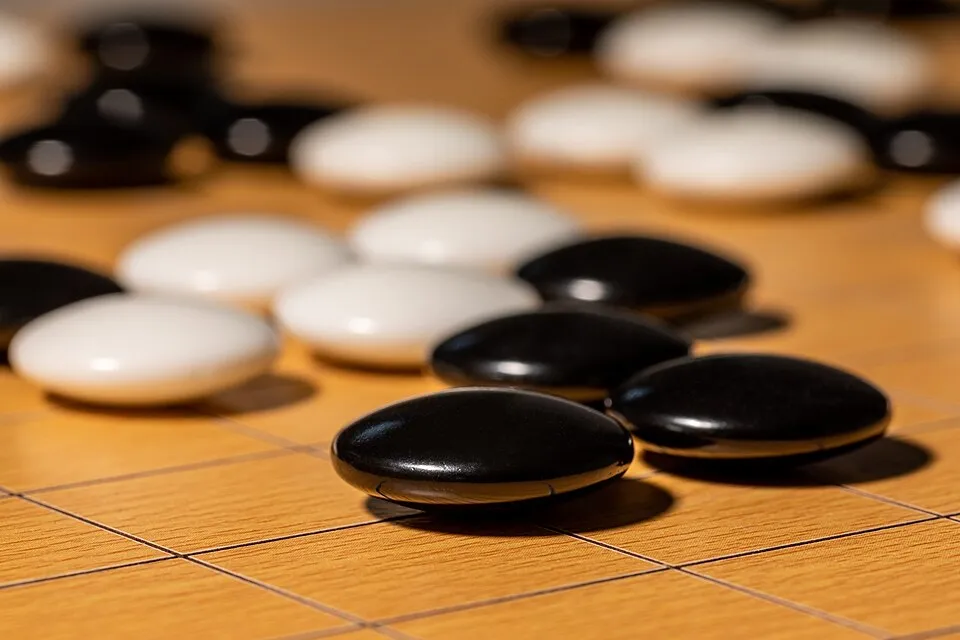
Dietmar Rabich, CC BY-SA 4.0 Go: "it may be a hundred years" before computers win
The prediction: Right after Deep Blue's chess win, a New York Times article quoted a scientist saying it might be a hundred years, or even longer, before a computer beats humans at Go, a far more complex board game.
What happened: It took 19 years. Google DeepMind's AlphaGo beat world-class player Lee Sedol 4–1 in 2016.
Missed2016
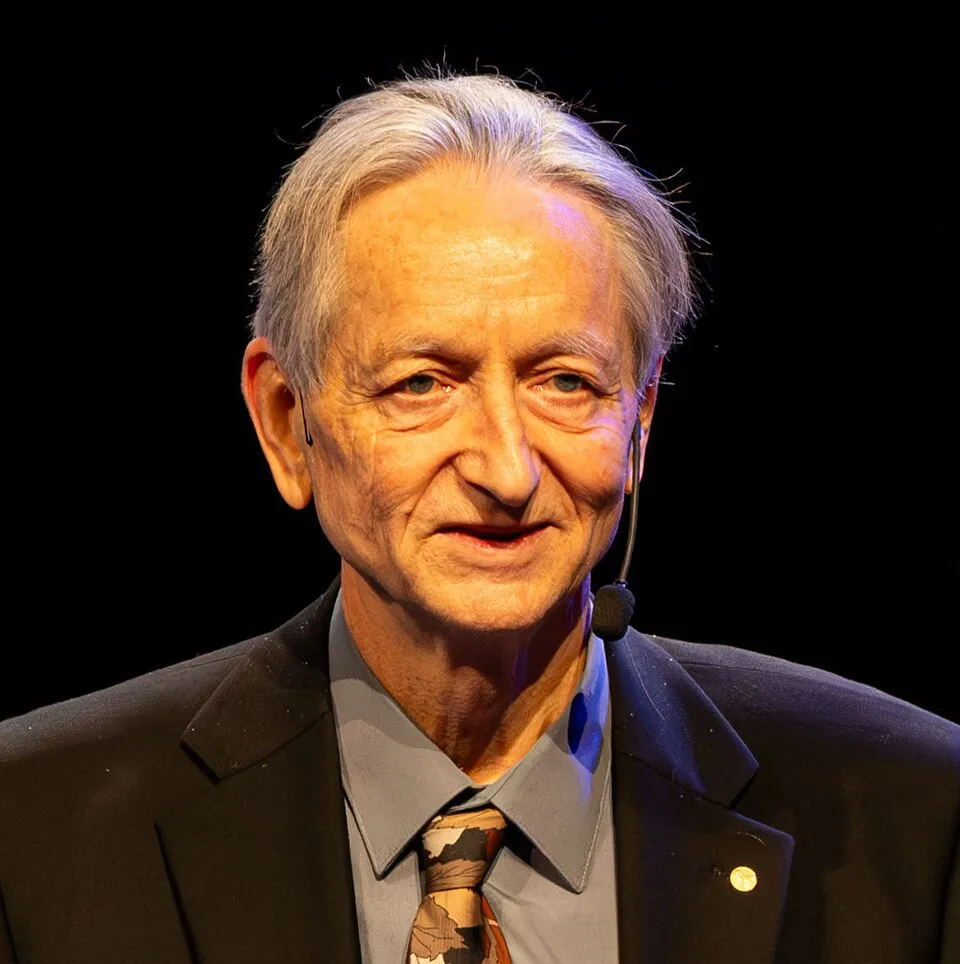
Arthur Petron, CC BY-SA 4.0 Geoffrey Hinton: "stop training radiologists"
The prediction: The AI pioneer said people should stop training radiologists, because deep learning would read medical scans better than them within five years, maybe ten.
What happened: Radiologists are in short supply and AI has become their assistant, not their replacement. Hinton, who later won a Nobel Prize, has said he was too quick and focused too narrowly on reading images.
Missed2016
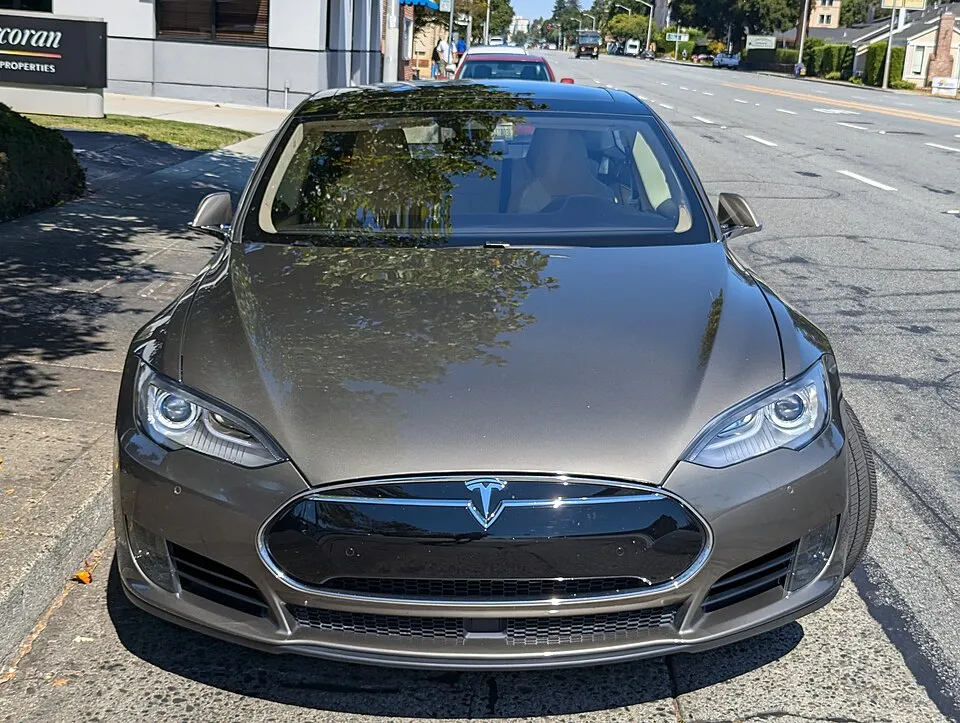
Mliu92, CC BY-SA 4.0 Elon Musk: a driverless trip across America by the end of 2017
The prediction: Musk said Tesla aimed to show a car driving itself fully, with no hands on the wheel, from Los Angeles to New York by the end of 2017.
What happened: The demo never happened, and the date kept slipping. Driverless taxis did arrive, from Waymo and others, but only in selected cities.
How we chose these predictions
Each prediction was made publicly by a well-known scientist, writer or business leader, and each card links to a source for what was said and what happened. Quotes are given in the forecaster’s own words where we could check them. Predictions are judged generously: “came true” means the core idea happened, even if the details differ. For more surprises, see the mysteries AI helped solve and the AI timeline. Know a prediction we should add? Tell us.